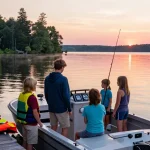
Understanding the Market for Boats for Sale
As we enter 2026, the boating market continues to evolve, influenced by trends in consumer preferences, technological advancements, and economic factors. Whether you’re a seasoned boater or a first-time buyer, understanding the landscape of boats for sale is crucial for making informed decisions. The demand for recreational boating has surged, driven by a desire for outdoor activities and the social distancing measures that have reshaped our lifestyle over recent years.
The Current Trends in Boat Buying
In recent years, there has been a noticeable shift towards purchasing smaller, more versatile boats that can serve multiple purposes. Buyers are increasingly interested in boats that provide both leisure and utility, such as fishing boats that can easily transition into recreational vessels. Additionally, the rise of online marketplaces has made it easier for potential buyers to explore a wider selection without the constraints of geographical boundaries.
Another growing trend is the increasing awareness regarding sustainability. Electric boats and eco-friendly materials are becoming more popular, as environmental consciousness shapes the purchasing decisions of consumers. This shift aligns with the broader trend of seeking sustainable solutions across various sectors.
Common Types of Boats Available for Sale
The market offers a diverse range of boats to cater to varying interests and activities. Here are some of the most common types:
- Day Cruisers: Ideal for short trips and leisure, day cruisers are compact and perfect for family outings.
- Fishing Boats: These vessels, including bass boats and deep-sea fishing boats, cater to anglers and outdoor enthusiasts.
- Sailboats: For those who enjoy the art of sailing, various sizes and styles of sailboats are available.
- Pontoons: Known for their stability and spaciousness, pontoon boats are perfect for social gatherings and leisurely weekends.
- Yachts: These luxury vessels offer extensive amenities and are often used for longer trips or as a second home on the water.
Factors Influencing Boat Prices in 2026
Several factors play a significant role in determining the price of boats this year:
- Market Demand: Fluctuations in demand can lead to price variations, especially for popular models and brands.
- Seasonality: Prices often decrease during off-peak seasons, creating opportunities for budget-conscious buyers.
- Boat Condition: The state of the boat significantly affects its price; well-maintained vessels command higher prices.
- Technology Integration: Boats equipped with advanced technology and features tend to be priced higher due to their added value.
Essential Steps to Buying a Boat
Deciding to purchase a boat is an exciting milestone, but it requires careful planning and consideration. Follow these essential steps to enhance your buying experience.
Evaluating Your Needs Before Purchasing
Before diving into the market, take time to evaluate what you need from a boat. Consider factors such as:
- The primary use of the boat (fishing, leisure, water sports).
- The number of passengers you’ll typically have on board.
- Your budget, including the purchase price, maintenance costs, and operating expenses.
- Storage capabilities, both at your home and at the marina.
Financing Options for Boats for Sale
Financing a boat can be a significant aspect of your purchase. Various financing options include:
- Boat Loans: Specialized loans with competitive interest rates tailored for boat buyers.
- Personal Loans: An alternative for those who don’t want to tie their loan specifically to the boat.
- Leasing: For those who prefer to use a boat without ownership obligations.
Evaluate the pros and cons of each option to determine what aligns best with your financial situation.
Key Questions to Ask a Seller
When you find a boat that piques your interest, it’s imperative to ask the right questions to avoid buyer’s remorse:
- What is the reason for selling the boat?
- How many owners has the boat had?
- Can you provide maintenance records and history?
- Are there any known issues or repairs needed?
- What is the boat’s fuel economy and operational costs?
Maintaining Your New Boat
Purchasing a boat is just the beginning; proper maintenance is essential for long-term enjoyment and safety. Here are critical maintenance tips to keep your boat in top condition.
Routine Maintenance Tips for Longevity
Regular maintenance not only prolongs the life of your boat but also ensures safe operation. Follow these routine maintenance tips:
- Perform an engine check every time before you head out.
- Clean and lubricate mechanical parts regularly.
- Inspect the hull for scratches or signs of damage.
- Ensure all safety equipment is functional and accessible.
- Winterize your boat properly before storage to prevent damage.
Winterization Techniques for Seasonal Protection
Preparing your boat for winter is critical, especially in areas prone to freezing temperatures. Key winterization steps include:
- Draining all water from the engine and plumbing systems.
- Changing the oil and replacing the oil filter.
- Adding fuel stabilizer to prevent fuel degradation.
- Covering the boat with a breathable cover to protect it from moisture.
Common Repairs and How to Handle Them
Even with proper maintenance, repairs may still be necessary. Familiarize yourself with common issues, such as:
- Electrical system failures.
- Engine overheating.
- Hull leaks.
Learning basic troubleshooting steps and when to seek professional help can save you time and money.
Understanding Boat Regulations and Safety
Owning a boat comes with responsibilities, especially regarding regulations and safety. Understanding these aspects is crucial to ensure a smooth boating experience.
Essential Boating Safety Equipment
Safety should always be your top priority. Ensure your boat is equipped with:
- Life jackets for all passengers.
- Flares and signaling devices for emergencies.
- A first-aid kit equipped for maritime use.
- Fire extinguishers and carbon monoxide detectors.
- Navigation lights for nighttime boating.
Latest Regulations for Boat Registration
Boating regulations often change, so it’s important to stay informed. Registration typically requires:
- Proof of ownership.
- Payment of the applicable fees.
- Complying with state-specific regulations regarding hull identification numbers.
Best Practices for Safe Boating in 2026
To enjoy your time on the water safely, adhere to these best practices:
- Always check the weather forecast before heading out.
- Maintain a safe distance from other vessels and swim areas.
- Be aware of your surroundings and watch for other boats, wildlife, and obstacles.
- Never operate a boat under the influence of alcohol or drugs.
Future Trends in the Boating Industry
The boating industry is evolving, embracing new technologies and shifting consumer preferences. Here are some trends to watch for in the coming years.
The Rise of Electric Boats for Sale
As environmental concerns rise, so does the popularity of electric boats. These vessels offer a quieter, more sustainable alternative to traditional fuel-powered boats, making them increasingly appealing to eco-conscious buyers.
Boat Sharing and Rental Market Growth
Boat sharing services are on the rise, allowing access without the commitment of ownership. These services cater to those who may want to enjoy boating occasionally without the associated costs of full ownership.
Innovative Technology Enhancements for Boats
Advancements in technology continue to reshape the boating industry. Smart boat integration, including connectivity with mobile apps for navigation, maintenance tracking, and onboard entertainment, are becoming standard features. Additionally, automated safety systems are enhancing the user experience and safety on the water.
What Can I Expect When Buying a Used Boat?
When purchasing a used boat, you can expect a lower price point but may encounter challenges in terms of condition and potential repairs. It is essential to have a thorough inspection done before finalizing any purchase.
Are There Any Hidden Costs When Buying a Boat?
Yes, buyers should be aware of potential hidden costs such as insurance, registration fees, maintenance, and storage, which can add up quickly. Budgeting for these expenses is essential for a seamless ownership experience.
What’s the Best Time of Year to Buy a Boat?
Fall is often the best time to buy a boat, as prices typically drop to accommodate off-season sales. Boat shows and expos during winter can also provide valuable insights and promotional deals.
How to Prepare for Your First Boat Purchase?
Preparation is key. Research thoroughly, determine your budget, and consider financing options. It’s also beneficial to gain insights from experienced boat owners to understand the nuances of boat ownership.
What Financing Options Are Available for First-Time Buyers?
First-time buyers have several financing options, including specialty boat loans, personal loans, and leasing options. Understanding each type’s implications and requirements can help you make an informed decision.